Loading...
Loading...
Loading...
Opening Hours: Mon - Fri : 8.00 am - 5.00 pm

ADHD & Relationships

Home Mental Health
ADHD Treatment

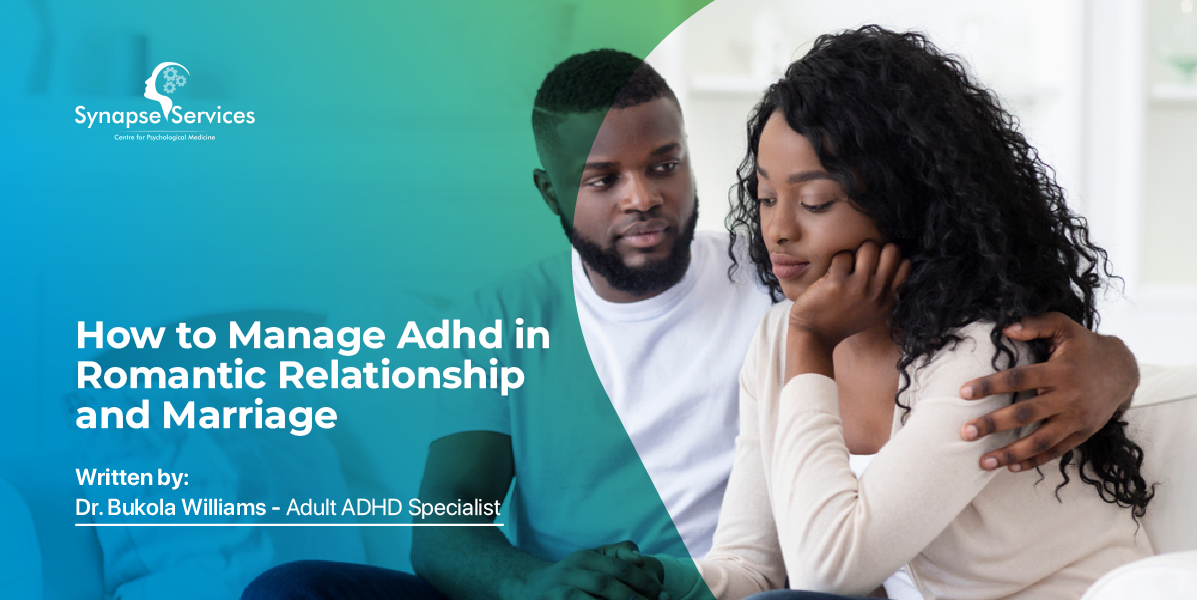
How To Manage Adhd In Romantic Relationship And Marriage

Written by: Dr Bukola Williams - Adult ADHD Specialist
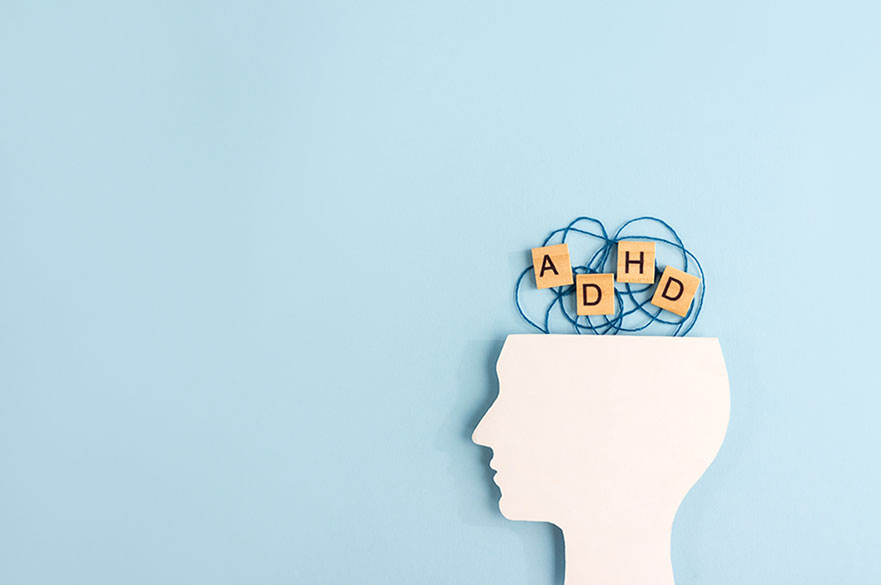
Attention Deficit Hyperactivity Disorder (ADHD) is a chronic neurodevelopmental disorder with symptoms first appearing in childhood.

Studies have shown that about 60-80% of children with ADHD will continue to have symptoms into adulthood while more than 40% will meet diagnostic criteria for adult ADHD.

One of the major impacts of ADHD is on relationships, especially intimate relationships, largely due to impulsivity and inattention. Getting married or settling down with a long-term partner usually means you have someone to share the ups and downs of life with. This person becomes your partner in running the household and possibly parenthood, and you provide each other with emotional support.

Having a partner with ADHD can make them an exciting and exuberant person to be with, however their ADHD symptoms might also cause some problems in a long-term relationship and/or marriage.

ADHD often starts in childhood and can last into adulthood
It can cause problems in relationships because of inattention and impulsive behavior
People with ADHD can be fun, but their symptoms may make long-term relationships harder


How ADHD can affect relationships


Impulsively commencing and ending relationships

People with ADHD tend to have characteristic short-lasting relationships as they tend to be impulsive in commencing relationships only to later lose interest or struggle to find ways to maintain the relationships which results into becoming quickly tired and frequently ending relationships.

Communication issues

People with ADHD tend to struggle with paying attention during conversations as they are likely to zone out and miss important contents of the conversations. They may also experience frequent forgetfulness which may be perceived by their partner as nonchalance.

Reduced quality of time spent together

BPeople with ADHD tend to struggle with restlessness, inability to sit still, and being quickly tired of hobbies which may affect the quality of time shared with their partners.

Problem with self-confidence/self-image

Due to the symptoms of ADHD, people affected may have negative self-image due to experiences of failure, and also excessive intense reaction to criticism which may affect their relationship quality as well as impact on their partners negatively.

Disorganization and untidiness

Living with someone who is chronically untidy and disorganized can be very hard work. This can affect partners of those with ADHD leading to frequent misunderstandings.

Anger and frustration

Many people with ADHD can be quick to display anger and/or show frustration in their relationship. This may be due to experiencing high-level anxiety due to other stresses related to their ADHD which may have nothing to do with their partners.

Poor time management

People with ADHD may have difficulty with time management which may result in procrastination, lateness for appointments, and missed appointments for things that are equally important to them like dates, doctor’s appointment, classes, interviews, etc.
Make Appointment

How the non-ADHD partner often feels

Unwanted or unloved
Angry and emotionally blocked
Incredibly stressed out
Ignored and offended
Exhausted, depleted, and frustrated
Make Appointment

How To Manage ADHD In A Relationship

Sometimes, people are not aware of what is going on, while some do. If an ADHD partner is receptive to diagnosis and treatment, the non-ADHD partner could recommend this. The key point is to get an Adult ADHD assessment to confirm whether it is ADHD or not. With treatment, people with ADHD will experience improved quality of life which will transform their relationships with their loved ones.

Make Appointment

Advice for Partners

If your partner has ADHD and you want to play an active role in helping and supporting your partner, consider some of these strategies..

  1. Learn About ADHD
    It can be helpful for the partner who doesn't have ADHD to develop an understanding of how ADHD can affect their partner's daily functioning.

  2. Understand how best to support your partner
    Understanding how to support your people with ADHD will go a long way. For example, help your partner manage their time and schedules.

    Supporting your partner may also involve working together as a team, and offering encouragement. Praise and encourage them when they make progress toward a goal.

  3. Don't Parent Your Partner
    The parent-child dynamic results when instead of allowing the partner with ADHD to take on responsibilities, the non-ADHD partner takes over all of the household and personal tasks and treat their partner much like a dependent child.

    This type of imbalanced relationship leads to resentment as one partner feels that they are doing everything and the other feels like they are being unfairly controlled.

    Be supportive and encouraging, and avoid micro-managing, yelling, arguing, or shaming them for their struggles.

  4. Build effective communication
    Do what you can to defuse emotional volatility. Stop fighting and start communicating!


Conclusion


ADHD can deeply impact romantic relationships
through impulsiveness, poor communication, disorganization, emotional outbursts, and challenges with time management, often leaving the non-ADHD partner feeling unloved, frustrated, and overwhelmed.

Understanding and treatment are key.
With proper diagnosis and treatment, individuals with ADHD can significantly improve their quality of life and relationships. Non-ADHD partners can also help by learning about the condition and supporting without controlling.

Healthy communication and teamwork
not parenting dynamics are crucial. Building mutual understanding, setting clear roles, and practicing patience can restore balance in the relationship.


People who have ADHD may struggle with feelings of discouragement or shame as a result of their symptoms, and many may have been criticized because of various behaviours, so being positive and supportive can help them feel more motivated and optimistic.

It is important that a partner with ADHD acknowledges the fact that their ADHD symptoms are interfering with their relationship and not just a case of their partner being unreasonable, and be willing to explore treatment options.

These are just some of the lived experiences of those who have spoken and shared at our sessions. If you recognize or have been affected by any of the issues shared here, or any others, you might find it helpful to talk about them in a safe space with a team of professionals specialized in diagnosing and managing ADHD in adults.

If you or your partner are struggling with ADHD-related relationship challenges, you're not alone. At Synapse Mustard, our team of adult ADHD specialists in Nigeria can help you find clarity, healing, and connection.

Book an ADHD assessment today and take the first step toward a stronger, healthier relationship.

Make Appointment

We Are A Certified and Award Winning Mental Health / Drug Rehabiliation Center

Ready to Begin Your Journey? Book Appointment

Get In Touch

No 10, Inuwa Wada Crescent, Utako Abuja - Nigeria

info@synapseservices.org

+2348152882329

Follow Us

© Synapse Mustard Limited. All Rights Reserved.